
How to Freeze Bell Peppers


Preserve your garden-fresh peppers in four simple steps with this easy tutorial! Learn how to freeze bell peppers and stock your freezer to enjoy summer produce year-round.
You’ll be so glad you have frozen bell peppers when it’s time to make soup, chili, stir fry, and more!

I made it a goal a few years back to eat as seasonally as possible. That means I avoid buying fresh tomatoes, zucchini, cucumbers, peppers, and other warm-weather crops in the winter.
It’s become a fun challenge in preserving as many of those veggies as I can to enjoy when they are out of season. Freezing bell peppers was one of the first things I preserved in this mission!
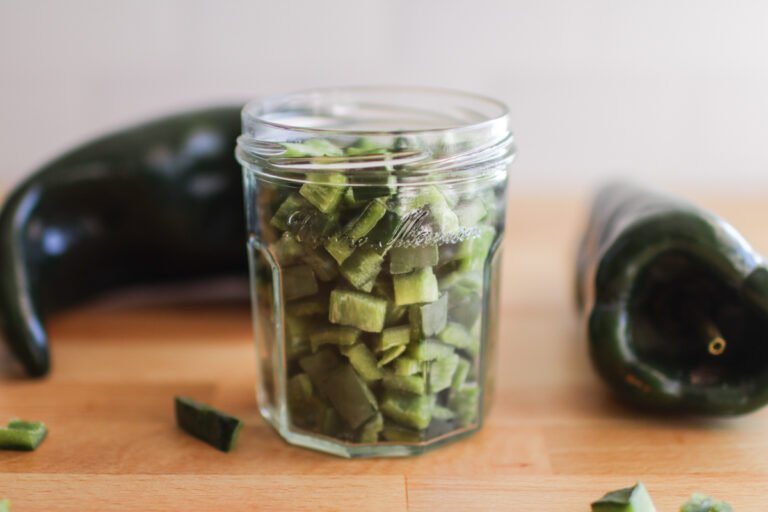
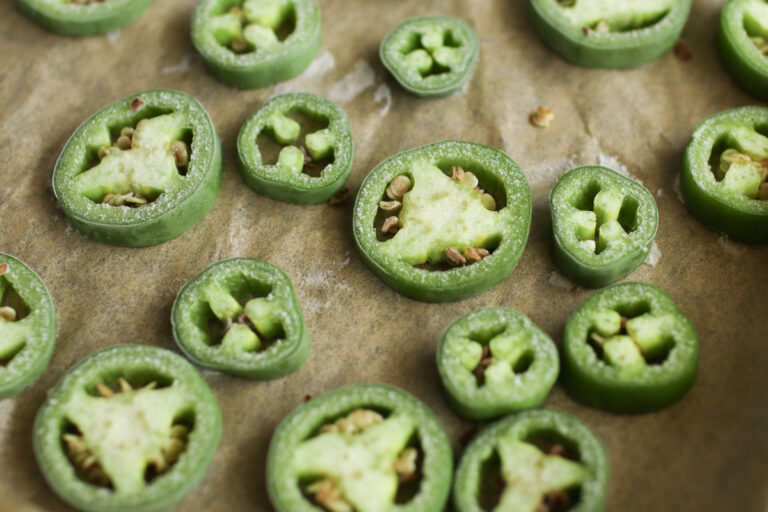
Peppers are one of the easiest vegetables to freeze. They don’t require any blanching, so it’s a relatively simple process. Every year, I freeze a ton of bell peppers, poblanos, jalapeños, and habañeros. (Check out my related tutorials: how to freeze jalapeño peppers and how to freeze poblano peppers!)
If you’re knee-deep in homegrown bell peppers or simply want to preserve some store-bought produce to save money and eat seasonally, I’ll teach you everything you need to know!
Why Freeze Bell Peppers?
- You can enjoy delicious summer bell peppers year-round by simply freezing them when they are in season! You’ll love having this tasty addition to your meals when it’s snowing outside.
- Buying in bulk or growing your own garden produce is a great way to save money, and preservation makes it possible without a lot of waste.
- Prevent food waste by freezing what you can’t use. Even if you aren’t on a preserving mission, if you have a lot of peppers that will go bad soon, freezing them is a great alternative to tossing them or putting them in the compost pile.
What You’ll Need
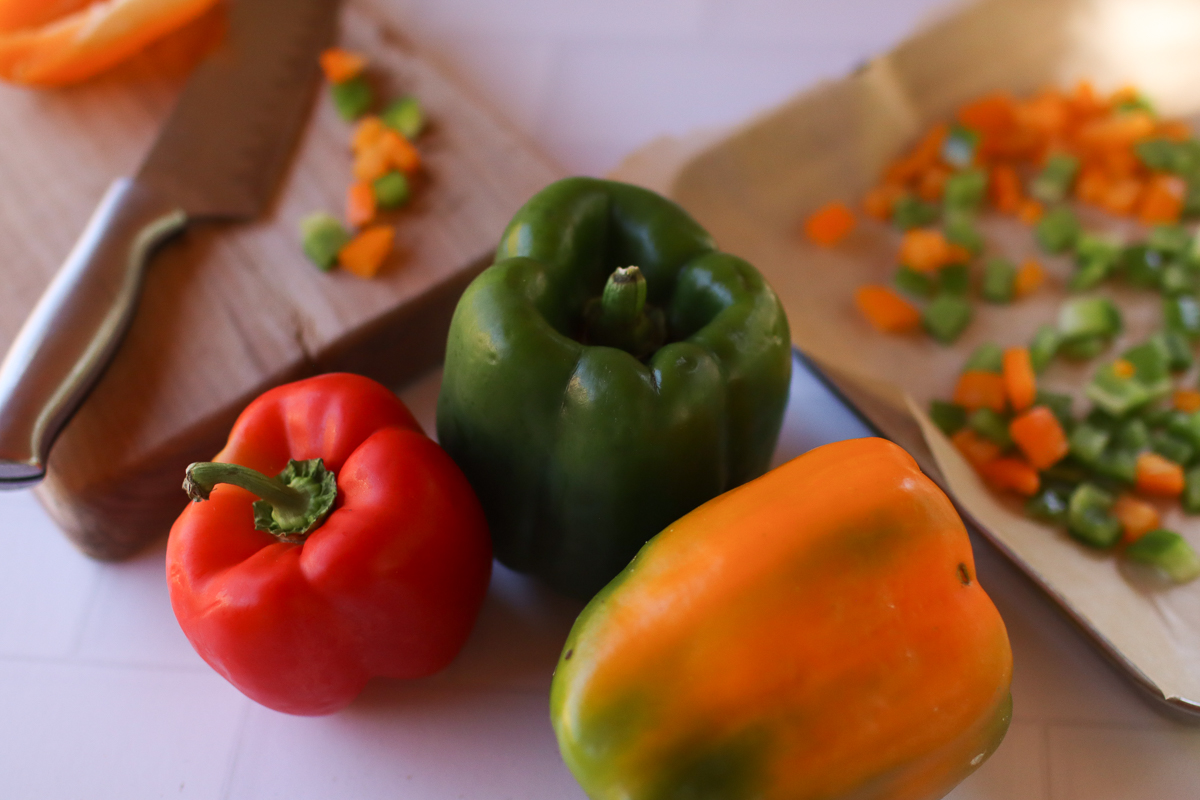
Bell peppers: You can freeze garden harvests, stock up at the farmers’ market, or get them from the grocery store.
A sharp knife and cutting board: To chop the bell peppers so they’re ready to cook straight from the freezer.
Baking sheet: Line it with parchment paper so the peppers don’t stick when flash freezing.
Freezer-safe container: A plastic bag, glass jar, or a reusable food storage container can all work.
How to Freeze Bell Peppers

Step 1. Prepare your peppers by deseeding them and chopping them to your desired shape and size. I like to dice them small, but thin strips are also a popular option.

Step 2. Spread the chopped pepper out in a single layer on a baking sheet lined with parchment paper and freeze for a few hours.

Step 3. Transfer the frozen peppers to an airtight container and return to the freezer promptly.

Step 4. Store in the freezer for up to a year. Add to cooked dishes straight from the freezer — no thawing required!
Tips
- Flash freezing helps you avoid having the peppers freeze into one big block. This way you can easily remove a handful at a time without having to break up the frozen cube.
- If you’re in a rush, you can skip the flash freezing. This is especially true if you’ll be using the whole bag in one serving.
- Get as much air out of the bag as possible to avoid freezer burn and ice crystals. If you have a vacuum sealer, you can definitely use it.
- Don’t forget to label your bag! Especially if you’re preserving other types of peppers, too.
- If you want your peppers to be a smaller size after they’re already frozen, you can run them under warm water for a few seconds to slightly soften them, then chop them into smaller pieces before adding to your dish.
Uses for Frozen Bell Peppers
Frozen bell peppers have a softer texture once they’re thawed, so it’s best to use them in hot dishes. I like to use my frozen peppers in the bases of soups (like my vegetarian tortilla soup), chili, rice dishes, spaghetti sauce, and stir fries.
To use the frozen peppers, add them to your pan as you saute the onions, garlic, and other aromatics and veggies. They’ll thaw and cook in the pan and taste just as flavorful as fresh peppers. Keep in mind that they will cook down much faster than fresh peppers, so it’s best to add them later.

FAQs
Nope! Peppers can be chopped and frozen without any blanching. They’ll maintain their color and flavor beautifully. I do recommend flash freezing them on a sheet pan in most cases, though.
Their texture is similar to lightly cooked peppers, meaning they are soft but still have a bite. I recommend cooking them like you would fresh peppers and using them in hot cooked dishes only.
Yes, you can. Simply remove the stem and seeds, then freeze in an airtight container.
I like to use my frozen bell peppers within a year when I can. They are still edible past a year, but they will get frosty and possibly freezer-burned over time. I find it’s best to restock every summer when they are plentiful and in season!
Now you know exactly how to freeze your garden-fresh bell peppers for future use! You’ll be so glad you stashed them away when winter rolls around.
More Freezer Preservation Tutorials
- How to Freeze Fresh Basil
- How to Freeze Green Beans
- How to Freeze Sweet Corn
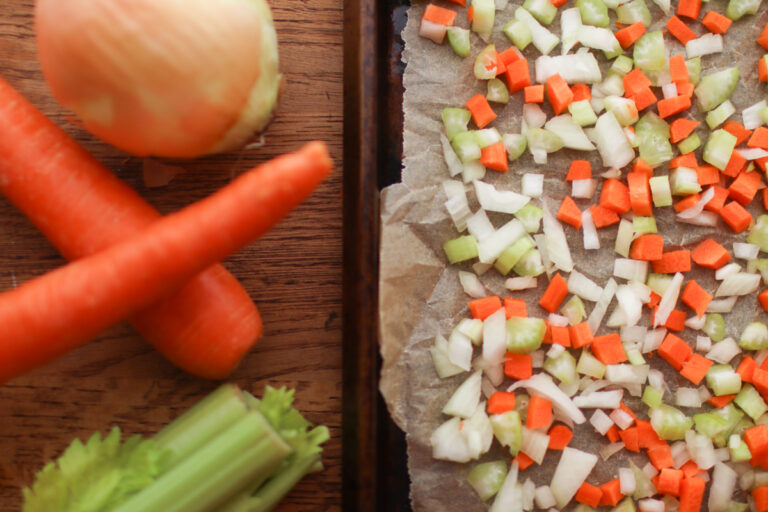
- How to Make and Freeze Soffritto for Easy Cooking Later
- How to Freeze Mirepoix
🫑 Thanks for visiting Sprig & Spoon! If you found this tutorial helpful, I’d love it if you left a review and let me know how it went in the comments!

How to Freeze Bell Peppers
Equipment
- Baking sheet lined with parchment paper
Ingredients
- Bell peppers any color
- Freezer-safe container such as a plastic bag or mason jar
Instructions
- Prepare your peppers by deseeding them and chopping to your desired shape. I like to dice them small, but thin strips is also a popular option.
- Spread the chopped pepper out on a baking sheet lined with parchment paper and freeze for a few hours.
- Transfer the frozen peppers to a freezer safe container and return to the freezer promptly.
- Add to cooked dishes straight from the freezer — no thawing required!
Notes
- Flash freezing helps you avoid having the peppers freeze into one big block. This way you can easily remove a handful at a time without having to break up the frozen cube.
- If you’re in a rush, you can skip the flash freezing. This is especially true if you’ll be using the whole bag in one serving.
- Get as much air out of the bag as possible to avoid freezer burn and ice crystals. If you have a vacuum sealer, you can definitely use it.
- Don’t forget to label your bag! Especially if you’re preserving other types of peppers, too.
- If you want your peppers to be a smaller size after they’re already frozen, you can run them under warm water for a few seconds to slightly soften them, then chop them into smaller pieces before adding to your dish.
It’s such a treat to have frozen bell peppers in the freezer in the winter! I love using them in chili, soups, and rice dishes instead of having to buy a fresh pepper. It’s more eco-friendly too!