21 Vegetables to Plant in a Fall Garden

Learn which vegetables and herbs you should plant in late summer to enjoy this fall! Get the ultimate list of 21 vegetables to grow in a fall garden and enjoy homegrown goodies as the summer crops slow down.

Getting a fall vegetable garden started is always a challenge because it’s time to plan while the summer garden is at its peak. It’s so worth the effort, though, because you get to enjoy even more fresh veggies before the winter frost settles in!
Last year, I shared 21+ vegetables to grow in a spring garden. I didn’t think it was fair for spring to get all of the fun when there is still lots of growing time left in the fall! So, here are 21 vegetables to plant in your fall garden. You’ll notice some of the veggies overlap both seasons, but there are many that are specific to fall.
Growing a Fall Garden
Summer gardens get all of the attention, but did you know you can grow herbs and vegetables throughout the fall? It just requires some planning ahead.
Warm-weather crops, such as tomatoes, cucumbers, and peppers, typically produce until the first frost, when the cold weather kills them. Before the first frost, as days get shorter and nights get cooler, they also slow down production.
Fall crops are hardy in light frost, enjoy cooler weather, and you can even add some frost protection to keep them producing later into the year.
Fall gardens are best planted with leafy greens, root vegetables, frost-hardy herbs, and brassicas. They are an excellent way to extend your growing season and keep eating garden-fresh produce as the weather turns!
This post contains affiliate links. If you make a purchase through the links, I will earn a small commission at no cost to you. As an Amazon Associate, I earn from qualifying purchases. Read my full disclosure here.
What to Plant in a Fall Garden
Here’s your complete list of what you plant in your fall garden! Click on a vegetable to learn more about it, or keep scrolling to browse the list.
- Radishes
- Swiss Chard
- Carrots
- Green Onions
- Beets
- Cauliflower
- Broccoli
- Cabbage
- Kohlrabi
- Brussels Sprouts
- Kale
- Spinach
- Lettuce
- Arugula
- Herbs
- Turnips
- Radicchio
- Garlic
Plant These in Warmer Zones
If you live in a moderately warm zone, you may be able to squeeze in another succession of the quick-growing summer crops before the frost and cold come. Consider planting these in zones 7 and above:
- Bush beans
- Summer squash
- Cucumbers

How to Plan Your Fall Garden
Before you get your hands dirty planting your fall garden, it’s important to do a little planning. Identifying your hardiness zone, planning your layout, figuring out a schedule, and purchasing any seeds you might need will help your gardening go smoothly. To learn how to plan a garden, you can click the links to read my full garden planning guide and get a free garden planner!
What to Grow in a Fall Garden
Without further ado, let’s look at the best cold-hardy vegetables to grow in your fall garden!
Radishes
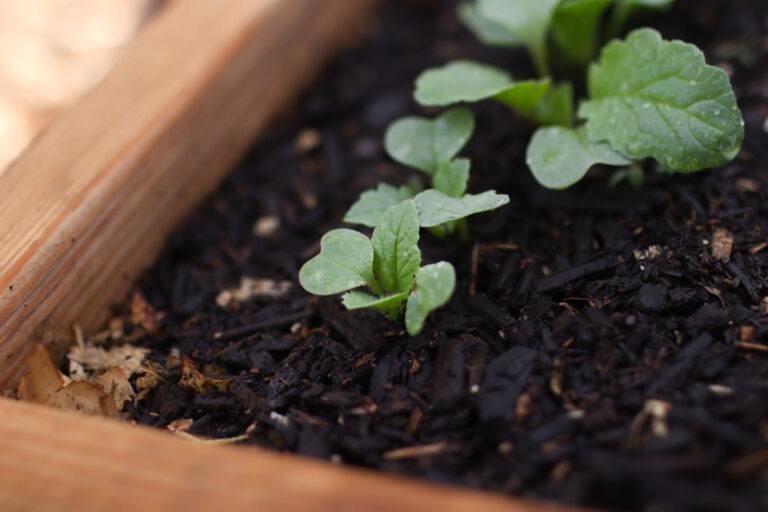
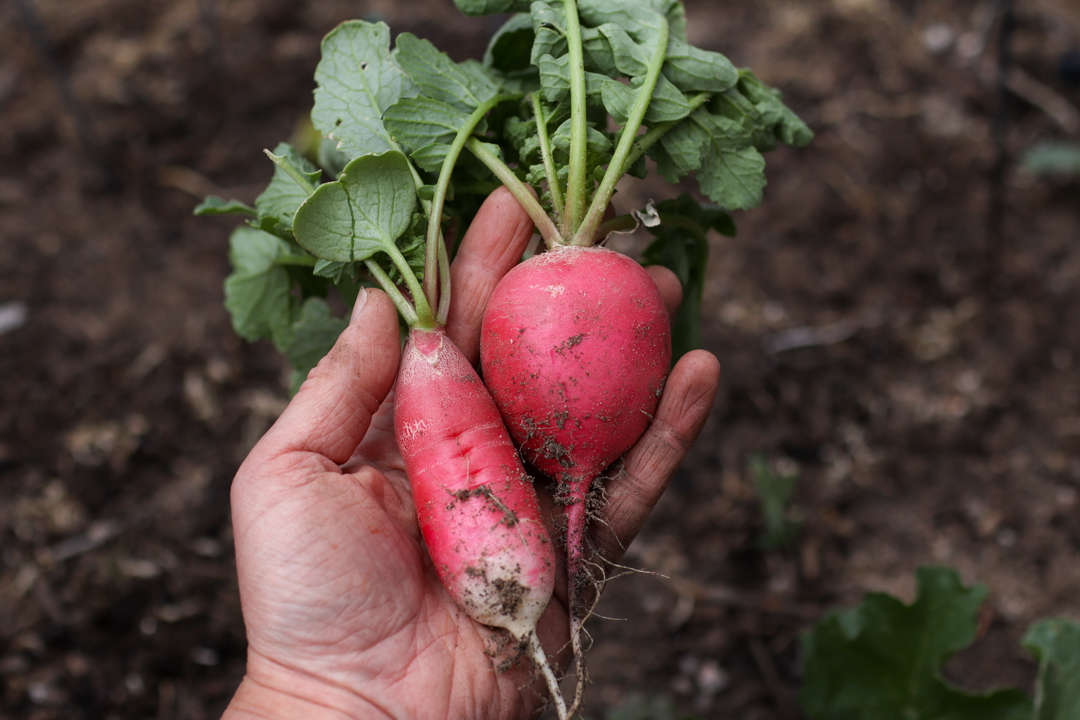
Radishes are an excellent crop for spring and fall gardens because they are frost-hardy and they grow very quickly. In fact, radishes have one of the shortest seed-to-harvest timelines of any veggie, with many varieties being ready in as little as 30 days.
Radishes can tolerate a light frost, but they bolt (or go to seed) in hot weather, so it’s best to wait until it starts to cool down to plant them.
When you plant your radish seeds, be mindful of spacing. Radishes that are too close together will be small and stunted, so thin them to one seedling every 1-2 inches so they have adequate room to grow.
Radishes are ready to harvest when they get to be the size you want, so you can harvest them early if a frost is coming. They will get woody if left too long, but I find this to be less of an issue in the fall than it is in the spring.
If you end up with more radishes than you can reasonably snack on, try making pickled radishes or radish pico de gallo!
Swiss Chard
Swiss chard is a stunning leafy green that can be eaten fresh or cooked. It will survive throughout the summer, but it does best in cooler temperatures. Chard doesn’t tolerate hard frosts, so you may need to harvest it before the first frost or cover it with a frost cloth.
Chard seeds can be direct sown into the garden or started indoors to give the plants a stronger start. It’s a great addition to your garden as you can continually harvest the outer leaves and leave the inner leaves to keep growing, giving you a steady stream of nutritious greens.

Carrots
Carrots are the perfect fall crop because they actually benefit from the frost! When carrots are exposed to cold temperatures, they release sugars to protect themselves from freezing, making the roots sweeter and much more delicious to eat.
Carrots can be sown in the summer, but it’s very important that the seeds stay moist until they germinate, so be prepared to water often or use a ground cover like burlap or cardboard.
Be sure to give them adequate spacing because, like radishes, they do not like competition. Carrots grow best in very loose, fertile soil; it’s recommended to work the soil a bit before planting so they can grow deep and long.
Carrots can be harvested at any time — you can harvest tender baby carrots or let them get thicker. To check a carrot’s size, simply dig around the leaves a little bit to reveal the top of the carrot. When it’s time to harvest your carrots, you can cut the tops off and keep the roots in a bag in the fridge for several months. Be sure to use your carrot tops for carrot top pesto!

Green Onions
Green onions are such a tasty addition to just about any meal, and they are perfect for growing in the fall when it’s cooler! Also called scallions, these Allium family members are easy to grow and take up very little room in your garden.
Green onions can be succession sown throughout the spring, summer, and fall, so you have a constant supply of them whenever you need. They can also be grown as cut-and-come-again crops, meaning if you cut them about an inch above the soil, the roots will continue to grow new onions to harvest again and again.
You can plant green onion seeds anytime throughout the summer and fall; just be sure to give them adequate time to harvest before the frost. Green onions will survive light frosts and will even survive the winter, but growth will be slowed once winter really hits.
Beets
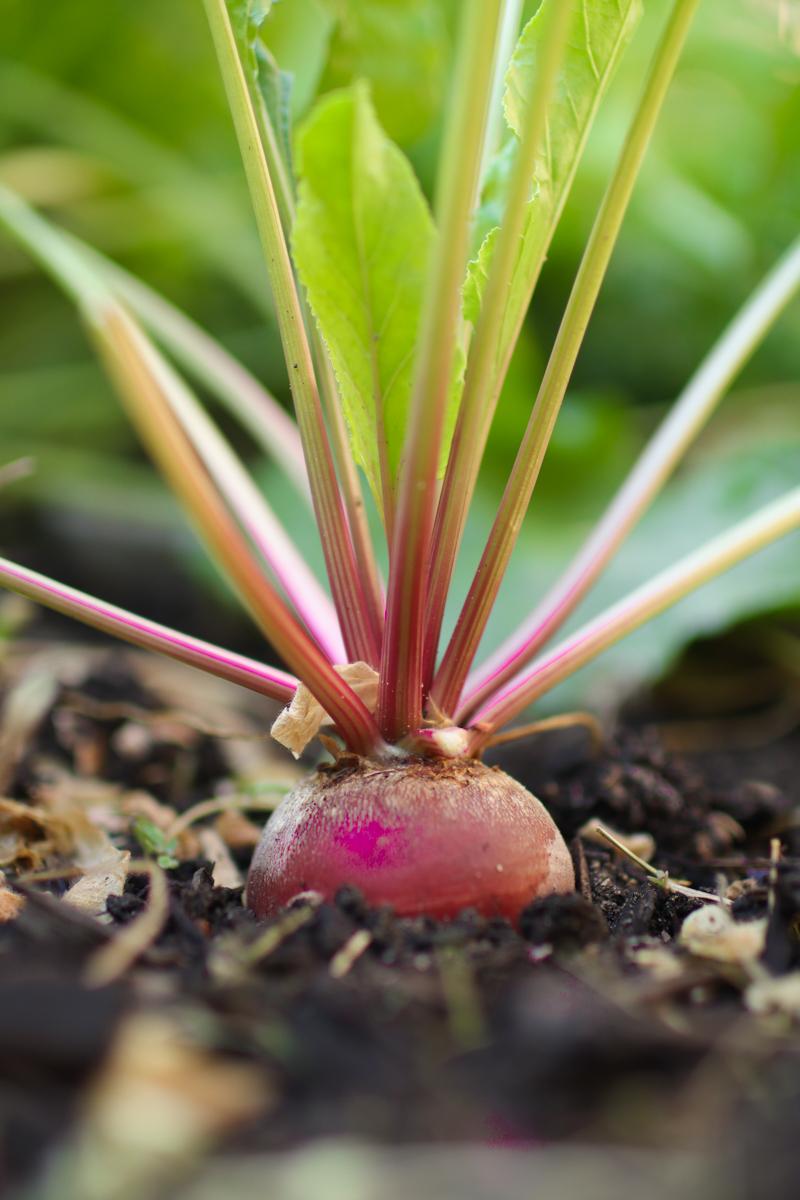
Beets are another root vegetable that actually tastes better after a frost! They can be planted in the spring, summer, and fall, but should be harvested when it’s cooler. Beets are an easy-to-grow vegetable that’s very versatile, and the entire plant – roots and leaves – can be eaten!
Plant your beet seeds sometime in mid to late summer for a fall harvest. Beet seeds are large and very tough seeds, so it’s best to soak them overnight before planting to aid in germination. Like all root crops, give them enough room to grow and thin the seedlings as needed.
Beets can be harvested whenever they reach your desired size. You can leave them out in a frost, but make sure to bring them inside before you get any frigid temperatures and mulch them well.
Cauliflower and Broccoli
Cauliflower and broccoli are such delicious garden veggies that love cool temperatures! They tend to bolt in the heat, so it’s best to plant and harvest them in the spring and early summer, with another succession in the late summer and fall.
Both broccoli and cauliflower are best started indoors and transplanted once the weather starts to turn colder. You can also purchase them from a plant nursery, though this can be a challenge in the late summer and early fall when nurseries are winding down for the season.
Broccoli and cauliflower are not the most beginner-friendly crops, and they are very susceptible to pest pressure, especially in the summer. To prevent pest infestation, I recommend giving them very healthy, nutrient-rich soil, plenty of space to grow, and consistent water. Plants that are under stress are more susceptible to pests, so it’s very important to keep them healthy. Growing flowers (choose some of the 15 best flowers to grow) and natives to attract beneficial insects will also help, and using a row cover can keep out the larger pests, like the cabbage moths (though aphids are still a concern).
When your broccoli and cauliflower are ready to harvest, cut the heads off the plant with a knife. Cauliflower plants should be removed from the garden after harvest — you can plant cover crops if you still have time before the first frost. Broccoli plants can be left after harvest, however, because they will continue to grow small florets, giving you multiple harvests!

Cabbage
Cabbage is such a useful vegetable, and it’s so easy to grow! It’s also farily frost tolerant and prefers the cooler temperatures. Like broccoli and cauliflower, it can be planted in late summer to enjoy a fall harvest before the frost.
Cabbage plants are best started indoors or purchased from a local nursery. You can stick with regular green or purple cabbage, or try something new, like savoy cabbage or napa cabbage.
Harvest your cabbage when it is large, well-formed, and feels dense when squeezed. Watch for bolting in warmer temperatures and harvest it before it fully splits. You’ll notice the cabbage head starting to get oblong before it splits down the middle.
Enjoy your homegrown cabbage fresh, cooked, or make it into a fermented sauerkraut!
Kohlrabi
Kohlrabi is a unique vegetable that you may not have seen before in the grocery store. The plant shape is very similar to a root vegetable, but the edible bulb grows above ground. Both the crunchy bulbous stem and the leaves are edible, but it is primarily grown for the stem. Kohlrabi makes delicious coleslaw, and it can be chopped and added to soups and stir fries.
Kohlrabi takes around 50-70 days to grow to maturity, but it is a frost-tolerant vegetable. It can be harvested at any size, though it’s typical to let the bulb get to around a tennis ball size.
Brussels Sprouts
Brussels sprouts are unique in that they need to be planted around 100 days before harvest, so they will require further planning than the other vegetables on this list. That said, they are typically harvested after a couple of light frosts for the best flavor, so they are very much a fall crop.
Similar to broccoli and cauliflower, Brussels sprouts can be sensitive to pest pressure. Be sure to provide them with ample water, rich soil, and lots of space to grow.
You may be surprised to see how Brussels sprouts grow along the stalk of the plant. They are ready to harvest when they are about the size of golf balls and feel firm/dense when pinched. To harvest, cut the plant at the roots, remove the leaves, then cut the sprouts off with a knife.
Brussels sprouts are the perfect seasonal ingredient for fall and winter! Roast the sprouts, saute them, or make them into a delicious shaved Brussels sprouts salad.

Kale
Kale is one of my favorite greens to grow because it is one of the few that can handle both cold temperatures and the summer heat! There are many different varieties of kale, and they are all delicious fresh or cooked. I usually stick with lacinato kale.
Kale can be direct sown or transplanted anytime throughout the spring, summer, and fall. It’s best to plant it earlier, as kale does take a while to get large enough for a decent harvest. You can also grow baby kale for a quick harvest — just scatter the seeds and harvest the kale leaves when they are 2-3 inches tall.
Kale is another excellent cut-and-come-again crop, giving you a steady harvest of fresh greens! Simply tear the largest, outermost leaves off the bottom of the kale plant and leave the top leaves to keep growing for the next harvest.
Kale makes a delicious salad or a tasty addition to soups and smoothies. I like to freeze some every year to add to soups throughout the winter.
Leafy Greens
There is a wide array of leafy greens that can be grown and harvested in the fall. It’s a great time to enjoy fresh, leafy salads before the hearty winter meals come out.
Greens that can be grown in the fall include lettuces, mesclun, spinach, arugula, and tatsoi. They are very sensitive to heat and can tolerate some frost, but a frost cloth is recommended for below-freezing temperatures. Leafy greens are very fast-growing, so you can direct sow them when it starts to get cooler and enjoy them until the first hard frost.
Leafy greens are also cut-and-come-again crops, so avoid pulling them up by the roots. You can cut the leaves off about an inch above the soil, and more leaves will come out of the root base.

Herbs
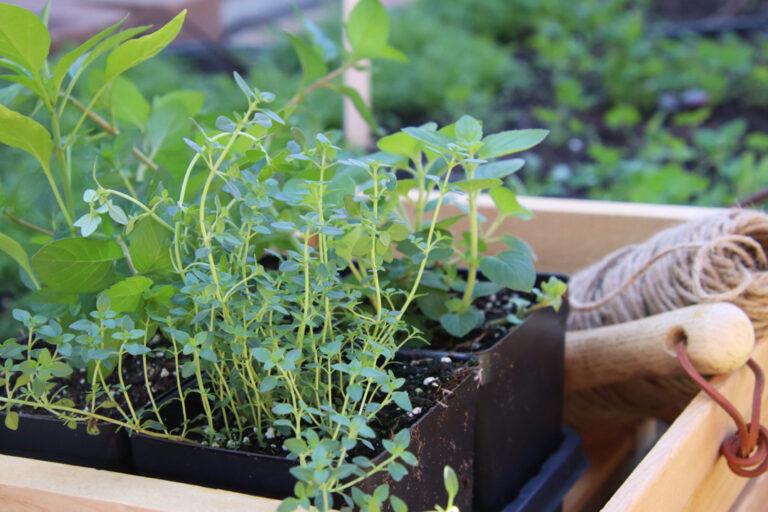
There are several annual herbs that can be planted in the late summer and enjoyed through the fall! These herbs include parsley, cilantro, and dill. Perennial herbs can also be added in the fall, such as sage, rosemary, chives, thyme, oregano, and mint. Fall-planted perennials will not produce a harvest until the following year, though.
I like to direct seed annual herbs like parsley, cilantro, and dill. They grow quickly and will give you a nice harvest before the frost comes. They also thrive in cooler temperatures.
Parsley
Parlsey is a biannual, so it will come back a second year for an early spring harvest before going to seed and dying off. That means you get to enjoy it this fall and the following spring! It’s the perfect opportunity to make plenty of fresh herb sauce to freeze for later.
Parlsey seeds should be soaked overnight before planting to improve germination rates. They can be scatter-planted and harvested multiple times. Don’t be afraid to grow too much parsley — you can always dry parsley or freeze parsley to preserve it for the winter.
Cilantro
Cilantro is very sensitive to heat, so the fall is the perfect time to plant it. Don’t plant it too early, or you’ll find that it bolts before it even grows a single leaf to harvest. Cilantro can also be scatter-planted and raked in. The plants can withstand light frost and cool temperatures, but you’ll want to harvest them before the hard frosts hit.
Dill
Dill can be grown throughout the summer, but it typically flowers before fall arrives, so I like to start another succession plant in late summer. Dill is insanely easy to grow and readily reseeds itself, so you will likely enjoy dill the following year without any additional planting! It’s also cold-tolerant, but will wilt in a frost. Having a fall harvest of dill is great to use up the last of your cucumbers in a batch of fermented dill pickles!
Herbs are so easy to grow, and they add so much flavor to your fall meals. They don’t require a lot of space, and they can easily be planted in a container! You can learn more about growing herbs in my tutorial on how to start an herb garden!

Turnips
Turnips are a deliciously sweet root vegetable that can be snacked on fresh or cooked into a variety of dishes. They are also an easy-to-grow fall crop!
Like other root vegetables, turnips like loose soil, adequate space, and are sweetest after the frost. I like to plant turnips in the mid- to late-summer to harvest after our first frost.
Turnips are not too fussy with temperatures; they don’t mind the frost or mild heat, but they will bolt in extreme heat. You can harvest them when they’re small and tender or wait until they are big. They can be enjoyed raw, roasted, or cooked into various stir fries and soups.
Radicchio
Radicchio is a beautiful red leafy vegetable that is most often enjoyed in salads. There are a variety of radicchio varieties that vary in color and shape, but the most common and widely known variety is a small, round bunch of red leaves that vaguely resembles purple cabbage.
Radicchio is very sensitive to heat, so it’s best grown later in the fall to avoid a premature bolt. You can direct sow it in the late summer and wait until fall to harvest. Be sure to give it adequate water because this bitter veggie can get unbearably bitter when it’s not well-watered.
Enjoy your radicchio in a beautiful salad with plenty of leafy greens to complement the bitterness!
Garlic
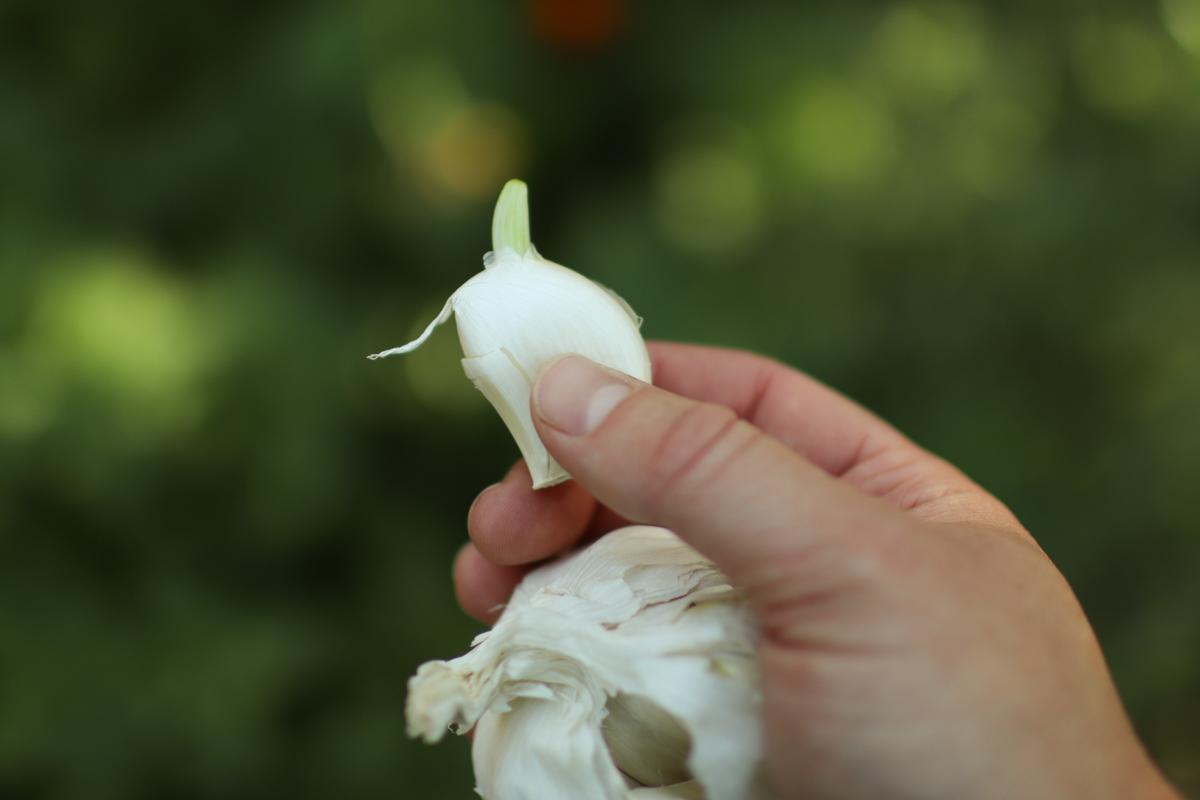
You won’t be seeing a harvest anytime soon, but hardneck garlic should definitely make it on your fall garden list! The cloves are best planted in the late fall, a few weeks before the ground freezes. The cloves will lie dormant throughout the winter, then sprout and emerge in the spring as the ground warms up. This period of dormancy is important for growing large heads of garlic.
It’s best to buy seed garlic from a reputable source, but you can grow grocery store garlic if it’s organic. Don’t grow conventional store-bought garlic, because it’s likely sprayed with growth inhibitors that will prevent it from sprouting.
When the summer harvest comes around, and you finally get to enjoy the fruits of the prior year’s labor, you’ll be so glad you planted garlic in the fall!
Succession Planting Warm-Weather Crops
As I touched on before, if you live in an area with a relatively long growing season, you may be able to plant another succession of fast-growing summer crops in your fall garden! To determine if it’s too late, check the back of the seed packet or do a web search to find out the “days to harvest” of your crop. Then count backward from your average first frost date, and you’ll be able to see if you have long enough to grow another succession. I do recommend giving yourself a little bit of a buffer if you want to ensure you get a harvest.
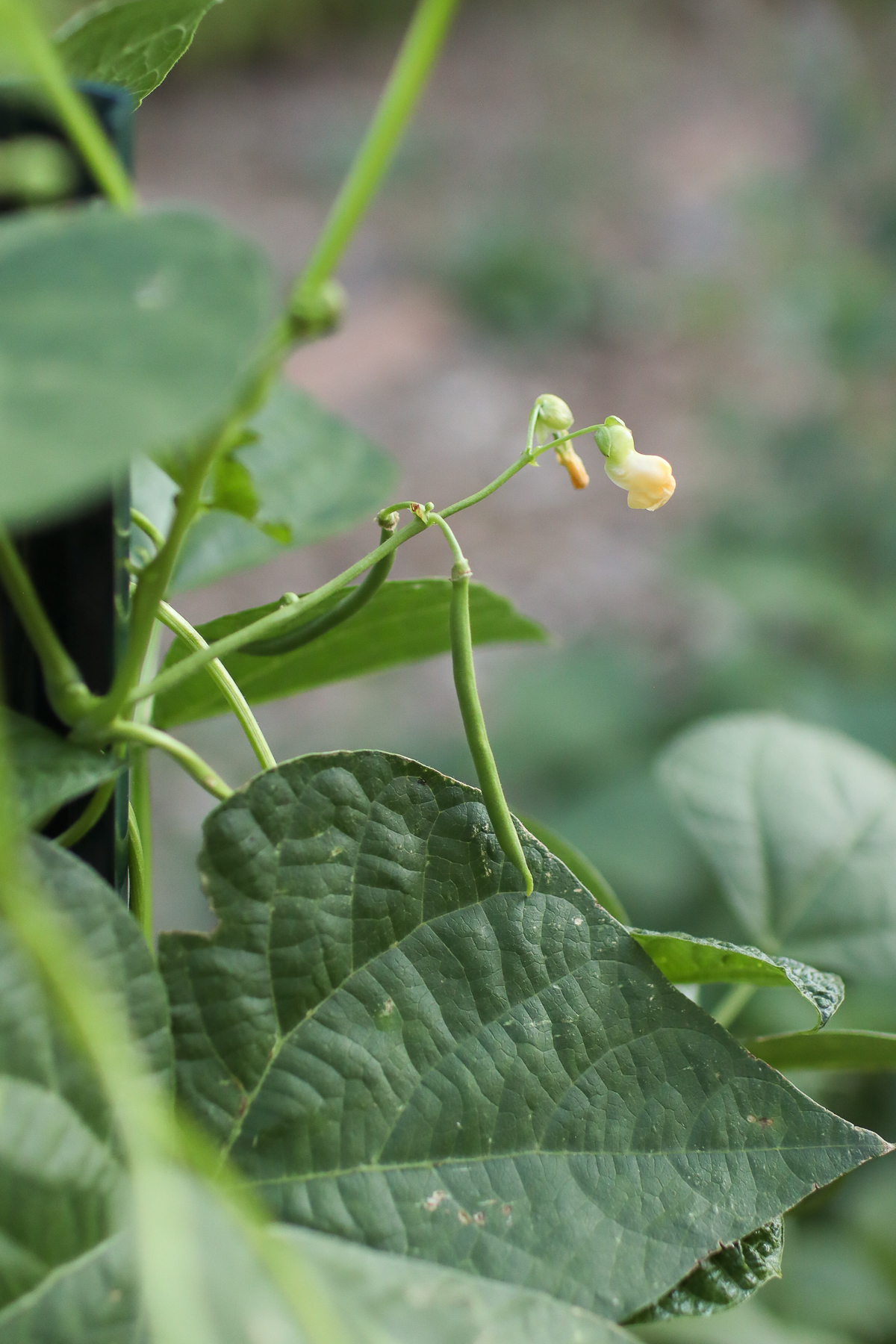
Summer crops that grow quickly include green beans, cucumbers, and some types of summer squash. When you are selecting the varieties, be sure to find one with the shortest time to harvest. Here are a few I like to plant:
- Summer squash: Chiffon yellow squash and Triumph zucchini take just over 40 days to mature.
- Cucumbers: Most cucumbers take around 60 days to mature, but Botanical Interests Quick Snack cucumbers only need 38-45 days!
- Green beans: The Contender bush beans are ready for harvest in around 50 days.
Tips for Planting a Fall Garden
- It’s quite common for a gardener to be so busy tending their summer garden that they forget to start seeds for fall. You have to start your fall garden when the weather is still hot and fall feels far away, so don’t forget!
- When you’re choosing varieties of vegetables, always opt for the ones with the shortest time to harvest.
- Also keep in mind that plant growth slows with less sunlight, so add a couple of weeks onto your expected first harvest to account for that.
- Before you get planting, check the back of your seed packet. They often have spacing, seed depth, and other helpful information. I buy most of my seeds from Botanical Interests seeds, in part because they are jam-packed with this info.
- Always plant a garden in healthy, well-drained soil with lots of organic matter. To increase organic matter, you can learn how to compost in your backyard to boost soil health!
- Mulch is incredibly important, even in the fall. It helps keep the ground moist and insulated while suppressing weeds.
- Before you get started, learn your hardiness zone and your average first frost date. Learn more in my garden planning guide.
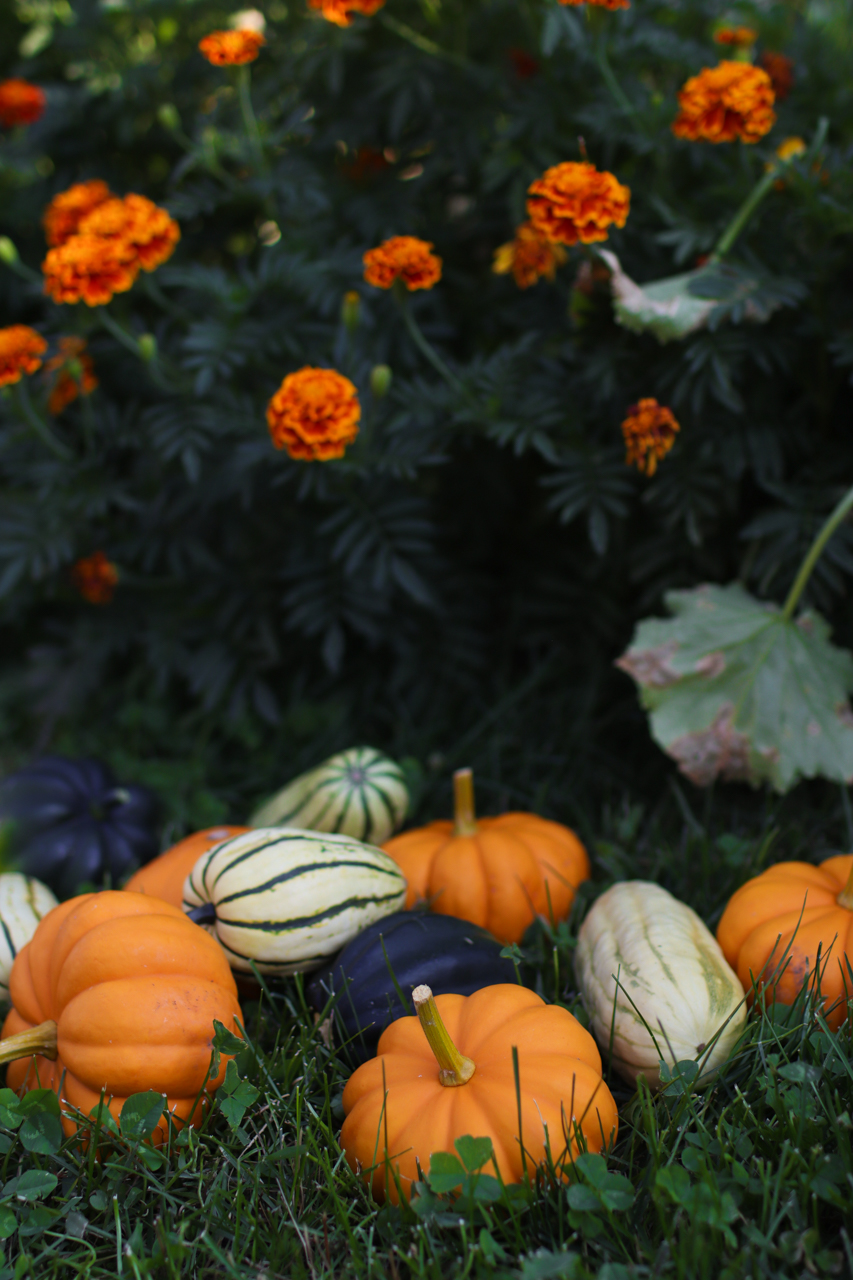
- Keep in mind that a lot of the crops you want to harvest in the fall should actually be planted in your summer garden. Corn, pumpkins, and winter squash feel like fall crops, but they need to be planted in early summer to give them enough time for a fall harvest.
Season Extenders
If you want to enjoy your fall garden for even longer, season extenders are an excellent way to maximize your gardening season. A season extender is a method of warming and protecting your plants so they can last longer into the winter. It is not typically a method of winter gardening, like a heated greenhouse, but merely a way to extend the season later (and start it earlier in the spring).
A season extender can vary in price and effectiveness, but here are a few main options:
- Frost cloth: The cheapest and easiest method, but also the least effective. A frost cloth with small hoops can protect your plants from frost damage while still letting in light.
- Coldframes: Coldframes can be purchased or made out of old windows. They act like a greenhouse by letting sunlight in through the window to create a warm environment for the plants. The biggest benefit of coldframes is their ability to open up on hot days, so you don’t cook your plants.
- Greenhouses: Greenhouses require a considerable upfront investment and a decent amount of space, but they are the most effective season extenders, even unheated. Plant your fall garden in the greenhouse and enjoy fresh produce well past the first frost.

FAQs
A fall garden should be started in mid- to late-summer so the plants have time to get established and produce before the frost. To determine a specific timeline, count backwards from your average first frost date and start seeds according to the time to harvest on the seed packet. For instance, if a radish takes 30 days to harvest, you’ll want to start it at least 30 days before the average last frost date.
Fall vegetables are anything that’s frost-tolerant and cold-hardy! Root vegetables (such as radishes, carrots, and beets), leafy greens (such as kale, spinach, and lettuce), and brassicas (such as cabbage, broccoli, and cauliflower) are great vegetables to grow in the fall.
That is certainly a risk you take with fall gardening! But gardening in any season is subject to the uncertainty of the weather. It’s part of the challenge and reward of growing your own food. In a pinch, you can cover your plants with blankets and tarps to get through a frost — just be sure to uncover them as it warms back up.
I hope this guide was helpful to you as you plan your fall garden! If you want to learn more about getting your hands dirty in the garden and growing your own food, check out the related posts below.