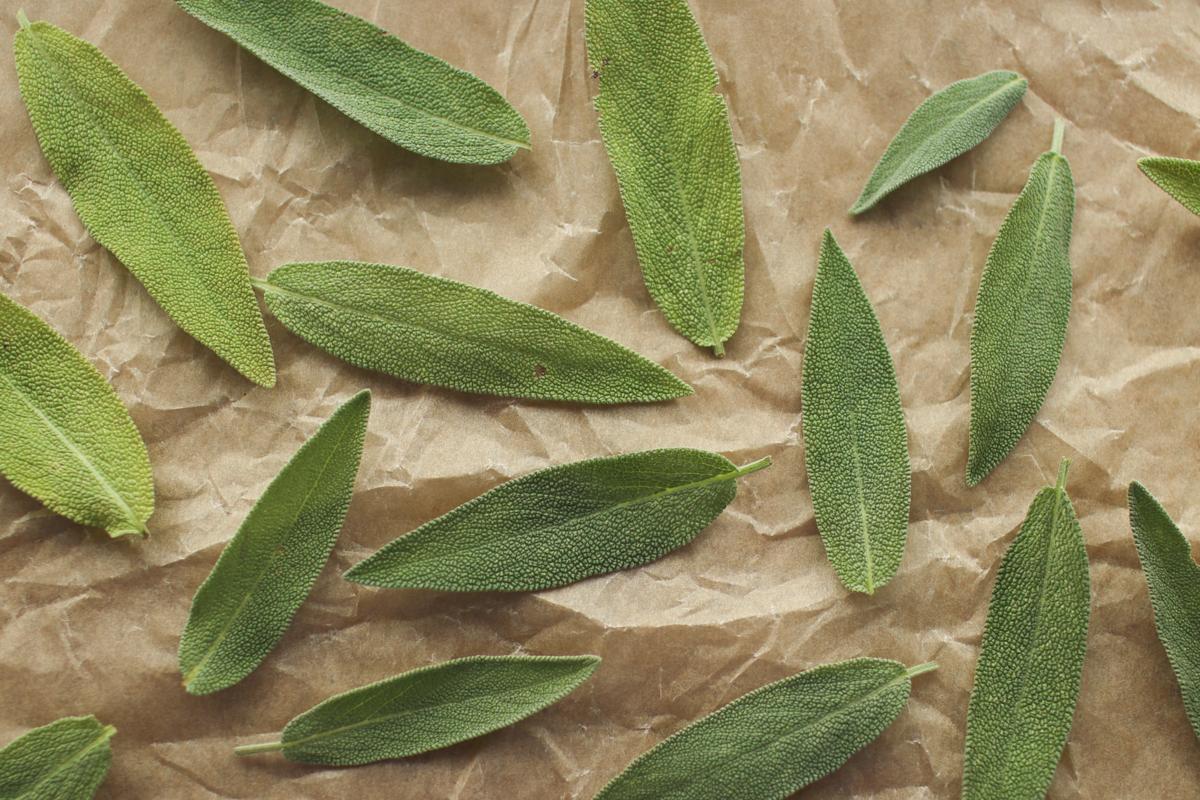
How to Dry Sage 3 Ways
Learn how to preserve sage with 3 easy drying methods.
Equipment
- Salad spinner
Ingredients
- Fresh Sage
One of the following:
- String and rubber bands
- Baking tray and parchment paper
- Food dehydrator
- Plate and paper towel
Instructions
Oven Drying
- Arrange the sage in a single layer on a cookie sheet lined with parchment paper. Alternatively, you can place an oven-safe cooling rack onto a baking sheet and arrange the sage leaves onto the rack. This will allow for greater airflow and more even drying.
- Set your oven to the lowest temperature and pop your tray of sage leaves in. Prop the oven door open with a wooden spoon to release excess moisture and encourage drying.
- After an hour, check your sage leaves. They should be completely dry and crunchy but not brown. If they are still pliable or moist, leave them in longer. Check on the sage leaves every 15 minutes after that to avoid burning them.
- Remove the dried sage leaves from the oven and allow them to cool completely before storing them.
Air Drying
- Harvest sage in 4-6 inch stems rather than individual leaves. Bundle them with some string or a rubber band. I recommend keeping each bundle to 3-5 branches to allow for proper airflow.
- Hang the bundles off of an herb-drying rack, shelf, or rod in a dry place out of direct sunlight.
- The drying time will depend on the temperature and humidity of your house but check them regularly after a week. Allow them to dry fully, but don’t let the leaves hang too long because they will gather dust.
Food Dehydrator
- Set your dehydrator to a low setting, around 95-115°F.
- Arrange the fresh leaves in a single layer on the dehydrator trays and put them in the dehydrator.
- Allow the sage to dry for two hours, then start checking it regularly. Be careful not to burn the leaves, but still ensure all of the moisture is gone from the sage leaves before packing them away.
- Allow the sage to cool completely before storing.
Microwave
- Arrange leaves on a microwave-safe plate lined with a paper towel.
- Set your microwave on low power, then microwave your sage for 30 seconds. Check the leaves before adding more time.
- Continue microwaving the sage in 30-second intervals until it is completely dry.
Tried this recipe?Let us know how it was!